
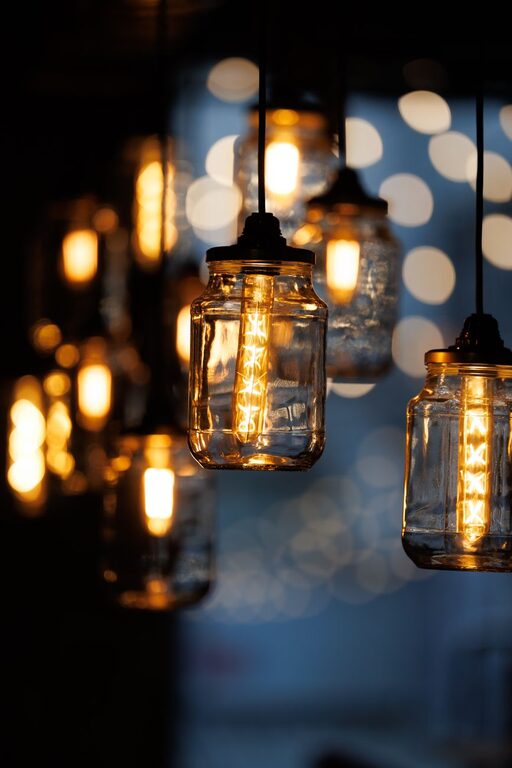
Creating a comfortable and inviting atmosphere in your home starts with effective lighting. The right lighting can set the mood, enhance your décor, and even improve your well-being. However, choosing lighting that feels comfortable and suits your space can be tricky, especially with so many options available. This guide will walk you through key tips to help you select lighting that meets your needs and makes your home a welcoming haven.
Why Comfortable Lighting Matters
Comfortable lighting affects how we feel and function in a space. Too bright or harsh lighting may cause eye strain and fatigue, while dim or poorly placed light can make it hard to see or create a gloomy atmosphere. When you select lighting that is balanced and adaptable, you enhance your home’s ambiance and make everyday activities easier and more enjoyable.
Understand Your Lighting Needs
Before purchasing new fixtures or bulbs, think about the activities that take place in each room and the type of atmosphere you want to create.
Assess Room Functionality
– Living Room: Needs versatile lighting for reading, entertaining, and relaxing.
– Kitchen: Requires bright, focused light for cooking and food prep.
– Bedroom: Benefits from soft, warm light for winding down.
– Bathroom: Needs clear, shadow-free light especially around mirrors.
– Home Office: Requires bright, glare-free lighting for concentration.
Consider Natural Light
Take note of how much natural light each room receives during the day. Rooms with ample daylight might need softer artificial lighting in the evening, while darker spaces may require stronger illumination.
Choose the Right Bulbs
The type of light bulbs you choose greatly influences comfort.
Color Temperature
Measured in Kelvins (K), color temperature describes the warmth or coolness of light.
– Warm Light (2700K–3000K): Creates a cozy, relaxing ambiance. Great for bedrooms and living rooms.
– Neutral Light (3500K–4100K): Offers a balanced hue, suitable for kitchens and bathrooms.
– Cool Light (5000K+): Mimics daylight, ideal for workspaces needing high focus.
Brightness and Wattage
Instead of focusing on wattage, which refers to energy use, look at lumens to determine brightness. For comfortable lighting:
– Living areas: 1,500–3,000 lumens total
– Kitchens and workspaces: 4,000 lumens or more
– Bedrooms: 1,000–2,000 lumens
Bulb Types
– LED: Energy-efficient, long-lasting, and available in many color temperatures.
– CFL: More energy efficient than incandescent but contain small amounts of mercury.
– Incandescent: Offer warm light but are less energy efficient and being phased out in many places.
Layer Your Lighting
A single overhead light is often not enough for comfort and flexibility. Layering different types of lighting helps you control mood and functionality.
Ambient Lighting
Provides overall illumination for a room. Examples include ceiling-mounted fixtures and recessed lights.
Task Lighting
Focused lighting helps with specific activities. Use desk lamps, under-cabinet lights in kitchens, or reading lamps.
Accent Lighting
Highlights features like artwork or architectural elements. Use wall sconces, spotlights, or LED strips.
Layering allows you to adjust lighting depending on time of day or task, increasing comfort.
Consider Dimmers and Controls
Installing dimmer switches lets you adjust brightness to suit your mood or activity. Smart lighting systems allow you to control color temperature and intensity via apps or voice commands, adding convenience and personalization.
Mind the Placement of Fixtures
Proper placement can reduce glare, shadows, and eye strain.
– Position lights to avoid direct glare in your eyes.
– Use diffusers or lampshades to soften harsh light.
– Arrange task lighting to prevent shadows on your work surface (e.g., place desk lamps on the side opposite your dominant hand).
Select Fixtures That Match Your Style and Space
Lighting fixtures contribute to the overall look of your home. Choose styles and materials that complement your décor while keeping in mind size and scale. Oversized fixtures can overwhelm smaller rooms, while tiny lights may not provide enough illumination.
Tips for Specific Rooms
Living Room
– Use a combination of floor lamps, table lamps, and ceiling lights.
– Warm light colors encourage relaxation.
– Consider adjustable lighting for movie nights or gatherings.
Kitchen
– Bright, neutral light helps with precision in cooking.
– Use under-cabinet lights to illuminate countertops.
– Avoid shadows by placing lights strategically.
Bedroom
– Soft, warm lighting promotes restful sleep.
– Use bedside lamps with dimmers.
– Avoid harsh overhead lights.
Bathroom
– Install lights around mirrors for even illumination.
– Use moisture-resistant fixtures.
– Consider bright but soft light to mimic natural daylight.
Final Thoughts
Choosing comfortable home lighting involves more than just picking pretty fixtures. By understanding your lighting needs, selecting appropriate bulbs, layering different lighting types, and properly placing your fixtures, you can create a home that feels inviting and tailored to your lifestyle. Remember to experiment, as lighting preferences can be personal and vary by room and time of day. With thoughtful choices, your home lighting can enhance both function and comfort beautifully.